
What’s Happening in Southeast Ohio.
Why River Access Matters for Petrochemical Facilities in Ohio
Posted on October 6, 2026
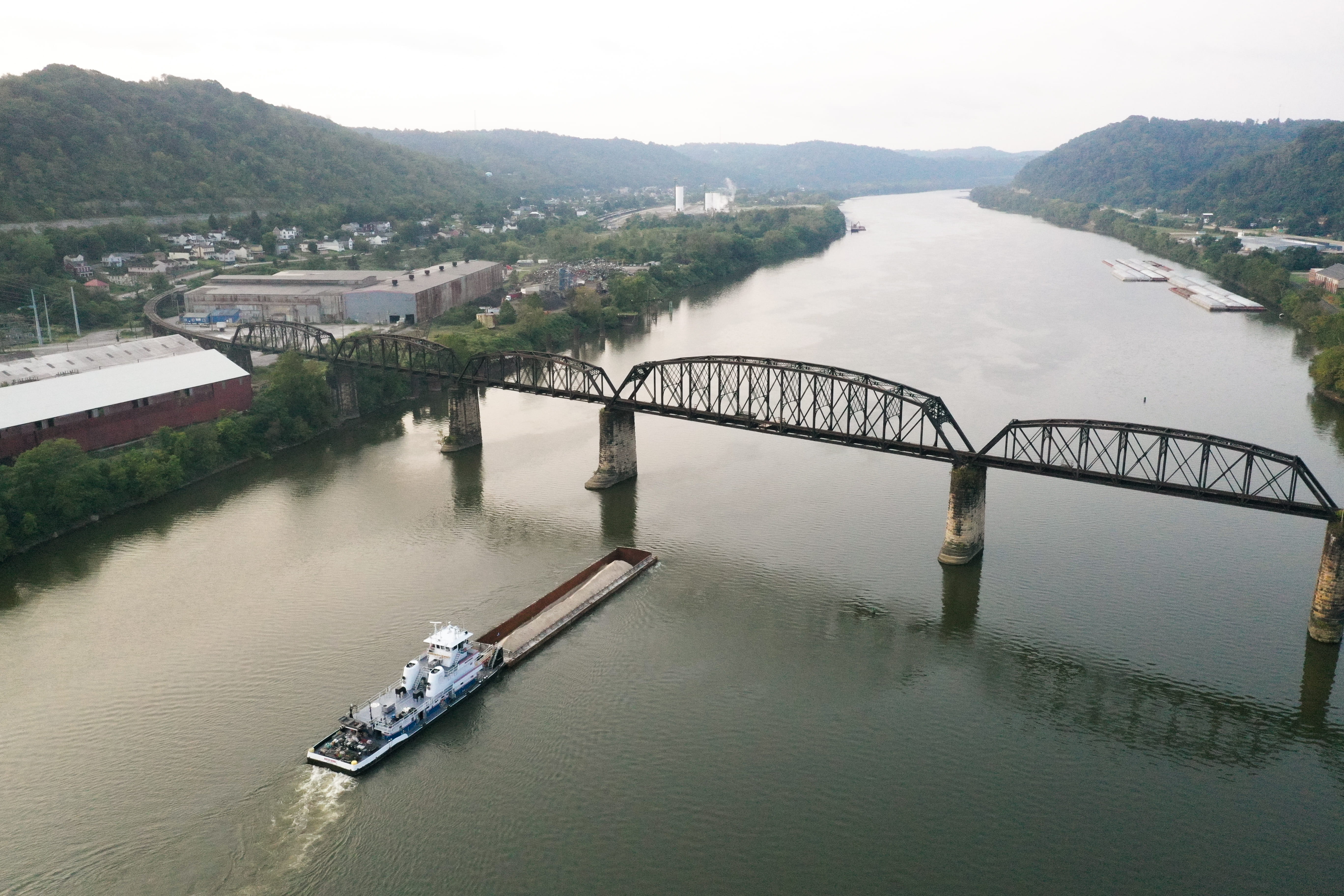
Thanks to the rich Marcellus and Utica shale plays that cover much of the Ohio River Valley, Ohio is a hub for natural gas liquids like ethane and propane. Petrochemical facilities in the region also benefit from their proximity to the Ohio River, which serves as their conveyor belt for transporting products all over the world.
The Buckeye State borders 451 miles of the Ohio River; the entire river measures 981 miles long and flows through Illinois, Indiana, Kentucky, Ohio, Pennsylvania, and West Virginia. Each year, almost 250 million tons of cargo travel its waters. Barges float up and down the river daily carrying coal, chemicals of all kinds, aggregates, steel, grain, fertilizers, petroleum, and more.
Petrochemical transportation logistics rely on Ohio River access for the movement of goods at all stages, both refined and unrefined, and the power of the Ohio River affects both domestic and global supply chains. Each day, natural gas heads toward refineries to be processed, and refined products connect with other waterways as they head toward domestic and international markets.
Environmental and Cost-Efficiency Advantages
Moving large volumes of cargo by river is one of the more “green” and cost-effective methods available to petrochemical companies.
Compared to railways and interstate trucking, barge transport generates significantly lower greenhouse gas (GHG) emissions.
According to a 2022 update of a study from the National Waterways Foundation, barges emit 15.1 tons of GHG emissions, while railroads emit 21.6 tons—43% more than barge transportation—and trucks generate 140.7 tons which is 833% more than barges.
The energy efficiency of waterways is clear, with the same study noting that barges can move cargo an impressive 675 ton-miles per gallon of fuel while trains and trucks can only move it 472 miles and 151 miles respectively.
By choosing to utilize the freight opportunities on the Ohio River, companies are drastically reducing their carbon footprint.
Reliable Transportation at Scale
Petrochemical companies are shipping their products around the world at a massive scale, so every ton counts. This is where Ohio River access for petrochemical facilities really matters.
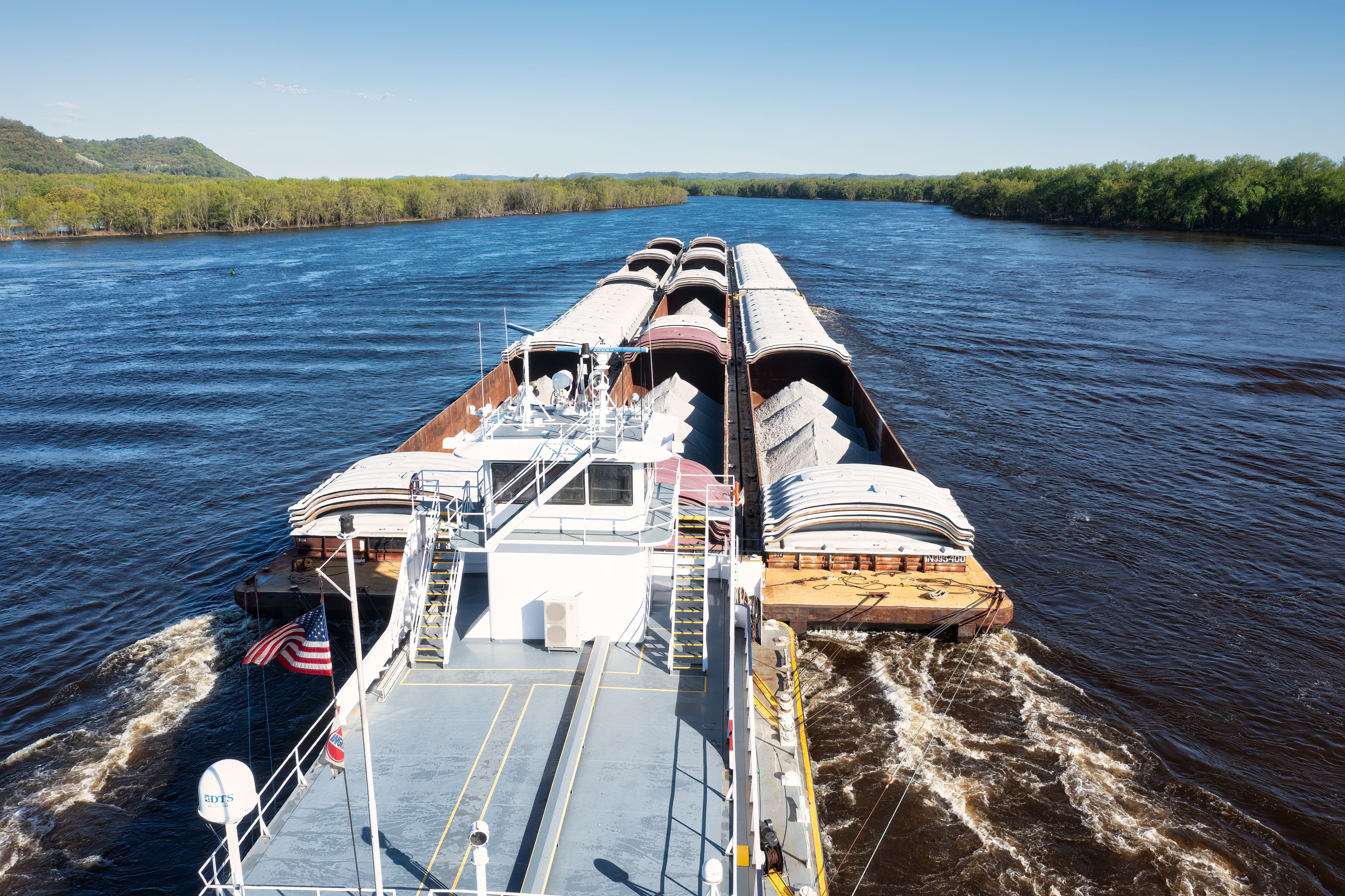
In 2024, one inland barge could carry the same capacity as 15 rail cars or 60 semi-trailer trucks.
The cost-per-ton-mile of river freight outperforms other modes of transportation in almost every instance. Smaller shipments to local municipalities will be made by trucks, but large shipments over long distances are much more cost-efficient by water.
Shipping by land in the Midwest also comes with challenges. Highway traffic, inclement weather, railway delays, and driver shortages are all factors that can hinder the shipping process. On the Ohio River, barges move slowly but steadily. With less water traffic, river shipping can be a steadier and more predictable method of moving cargo long distances.
Access to Domestic and Global Markets
Located in “the heart of it all,” the Ohio River is one of America’s most critical inland waterways. It provides a direct link from the Midwest and Appalachian regions to the Gulf Coast and international markets. The Gulf Coast processes almost 50% of all U.S. refined products, making it the largest petroleum refining region in the country. From there, products move back up into the United States, toward the East and West coasts, and out to global markets in Latin America, Europe, and Asia.
Ohio has nine foreign-trade zones, and it’s the only state in the Midwest with direct shipping routes to Europe for both container and heavy goods. The Ohio River is just one piece of that massive freight system puzzle for petrochemical companies looking to ship their goods at home and abroad.
In an industry where efficiency, cost, and safety are paramount, the Ohio River continues to serve as a core modality for Midwestern petrochemical transportation logistics.
SHARE


Other stories you may be interested in...
Craft Beer, Local Eats, and Live Music: Southeast Ohio’s Most Vibrant Downtowns
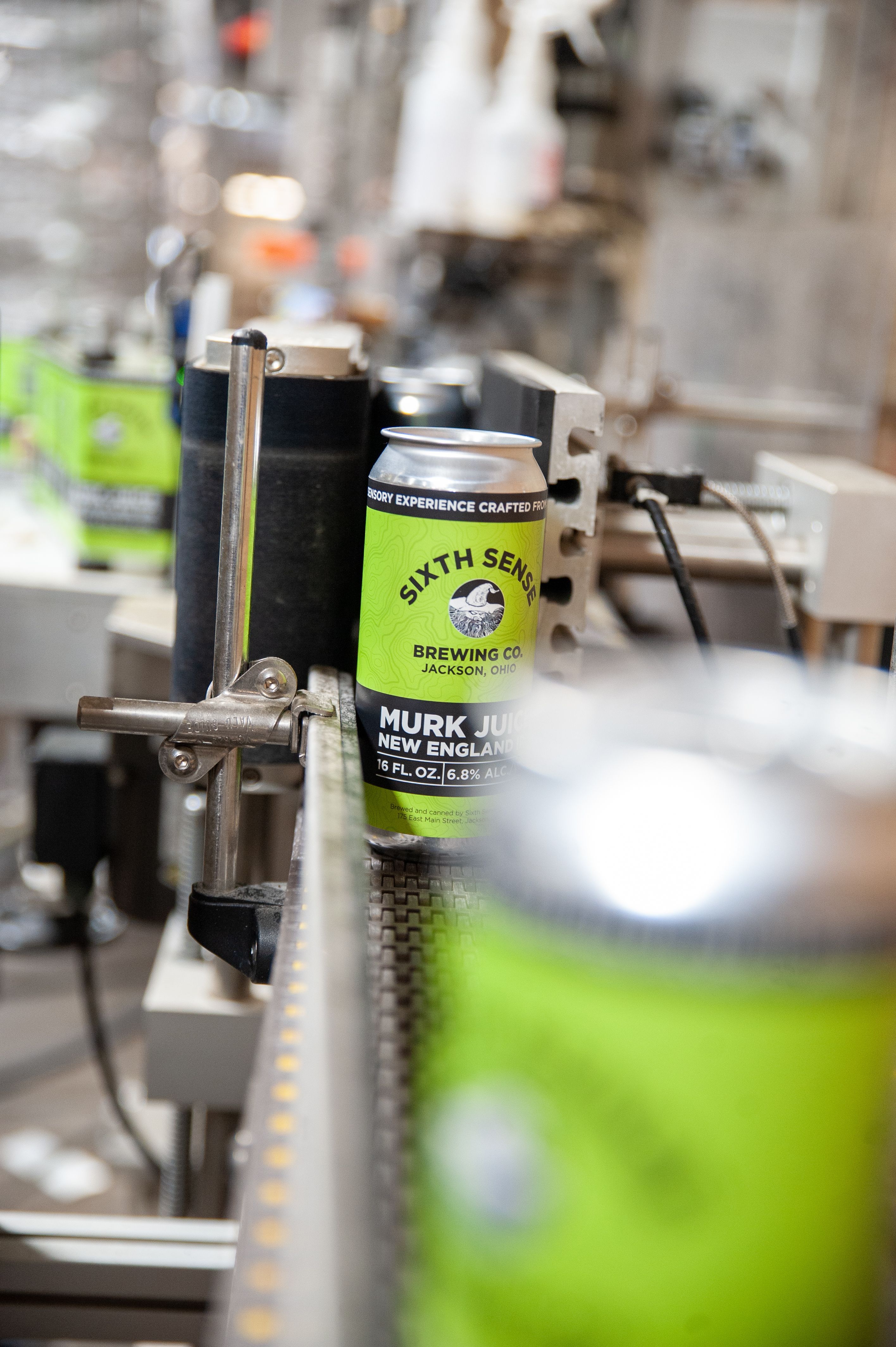
Southeast Ohio doesn’t just invite you to visit—it pulls you in with open arms and says, “Stay a while, why don’t you?” Whether you’re a weekend wanderer or a business...
Read More
How Food Manufacturing Companies in Ohio Are Meeting Consumer Demands
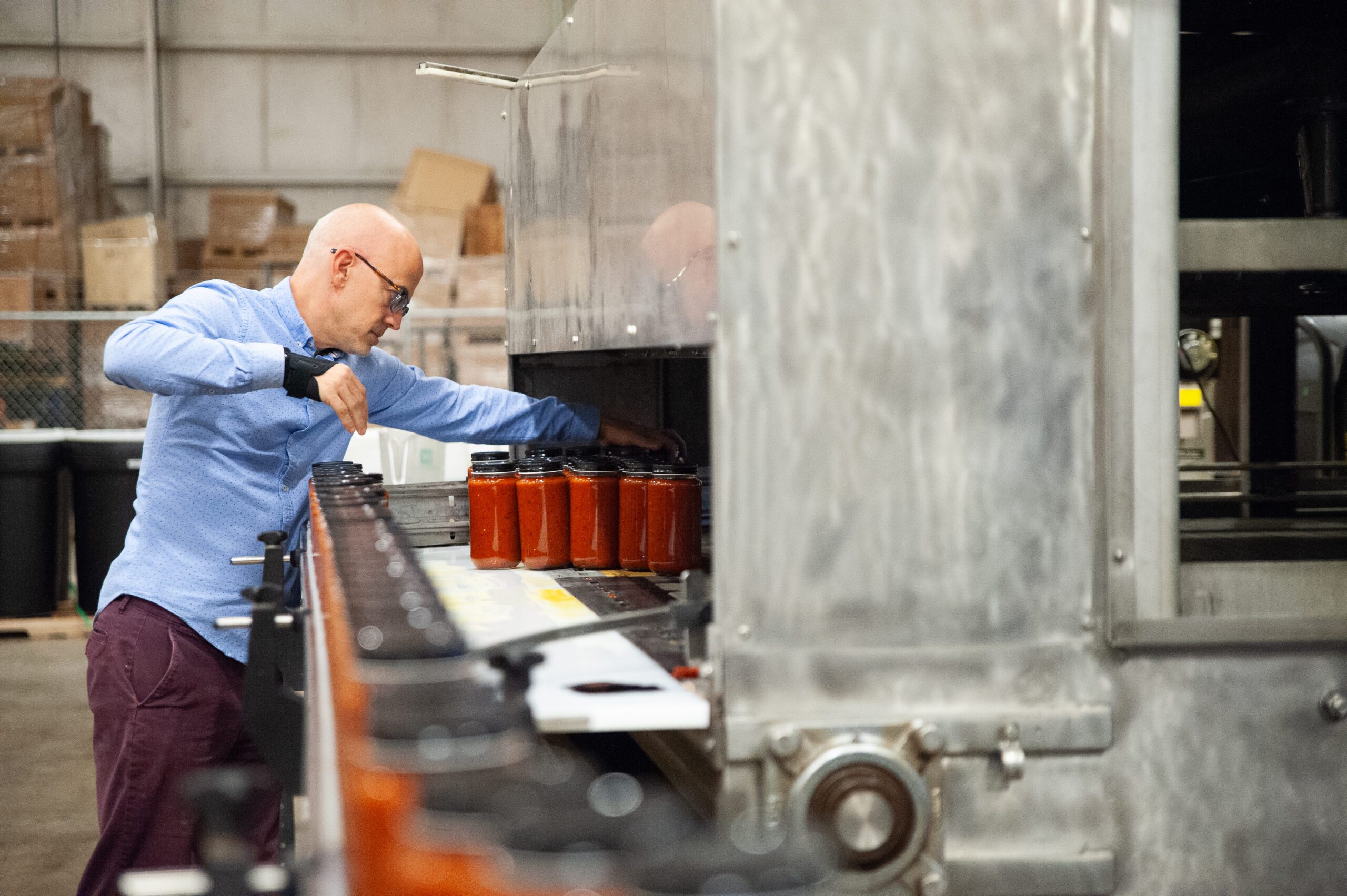
While a drive through Ohio easily reveals its farmland, its food manufacturing and innovation systems may seem more like a well-kept secret to those outside the industry.
Read More
Top Coworking Spaces in Southeast Ohio for Remote Workers

The popularity of remote work has skyrocketed over the past 6 years. Attending meetings from the kitchen table can get old though, and oftentimes remote professionals simply wish to get...
Read More