
What’s Happening in Southeast Ohio.
How the Ohio River Supports Supply Chain Efficiency in Southern Ohio
Posted on September 9, 2026
Beginning in Pennsylvania and ending in Illinois, the Ohio River spans 981 miles of America’s heartland. It serves as one of the nation's most critical pieces of inland navigation, greatly impacting supply chains across the United States.
→ Thanks to the Ohio River, 35% of all national waterborne commerce moves cross-country annually. That’s 270 million tons of cargo each year!
Connecting Southern Ohio to Global Markets
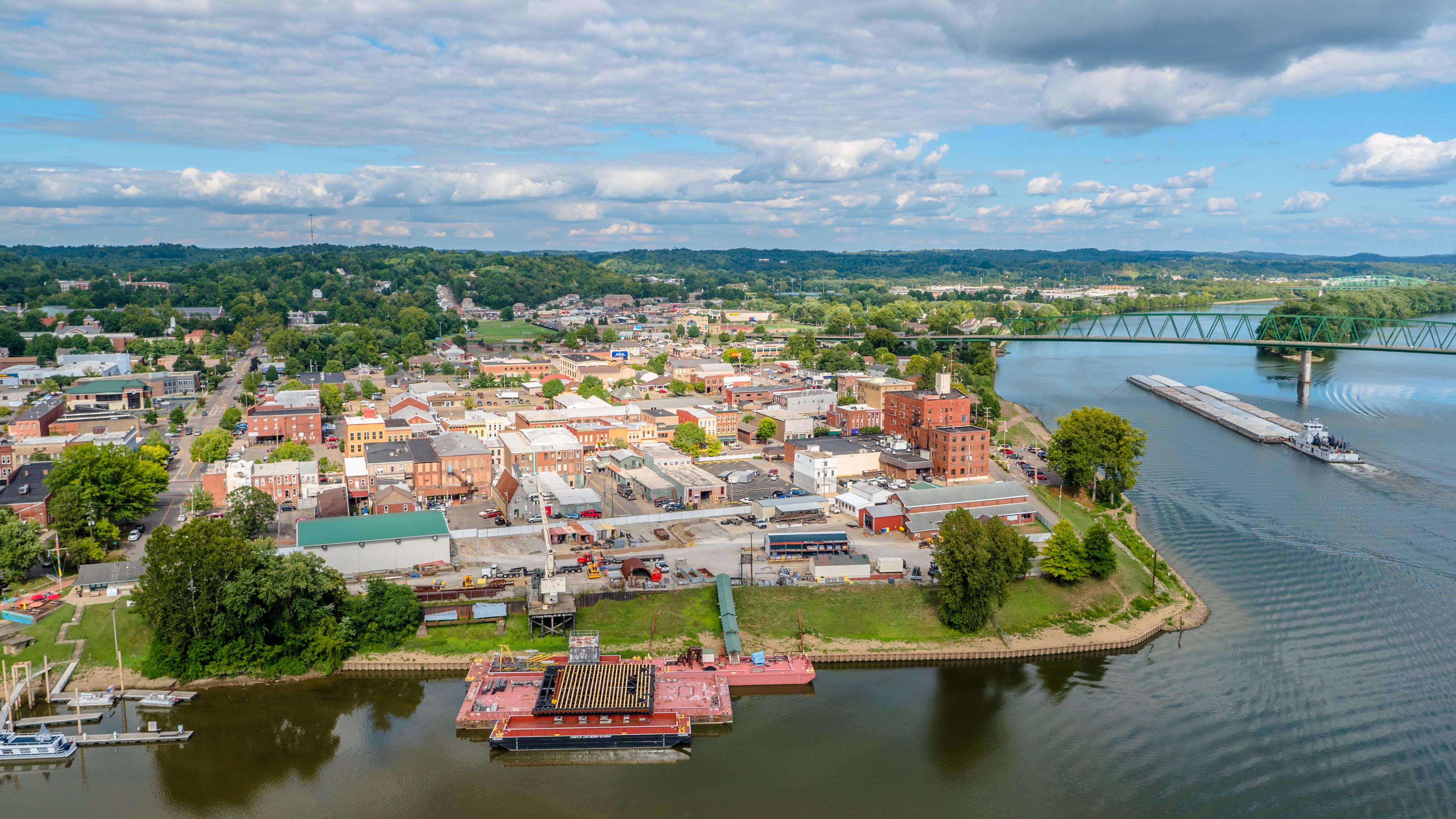
The Ohio River offers supply chain coordinators one of the cheapest ways to move raw and finished bulk materials throughout the Midwest, around the country, and across the world. With 355 miles of the river bordering Southeast Ohio’s eastern and southern counties, it’s the perfect alternate shipping route to the Mississippi River, the Gulf of Mexico via the Tennessee-Tombigbee Waterway, and multiple inland waterways.
The Ohio River also connects with rail networks and interstate highways. Class I rail lines operated by CSX and Norfolk Southern boost the efficiency of regional supply chains. On land, trucking fills in the gaps with highways located close to the river’s ports, including north-to-south routes like I-75 (linking Canada to Florida) and east-to-west routes linking the coasts such as I-71, I-77, and I-70.
With proximity to the Port of Cleveland and the Great Lakes water systems, supply chains based in Ohio easily connect to the East Coast of the United States and Europe via shipping containers.
A Supply Chain Powerhouse
This important river benefits supply chains across the entire country, but it especially serves the Southern Ohio region well.
Due to the power and reliability of the Ohio River, Ohio is an ideal state for efficient logistics. According to the annual Logistics Industry Health Report from the Center for Business and Economic Research at Ball State University, Ohio receives the report’s highest rating based on the state’s total logistics industry income, employment, rail and road shipping volume, and transportation infrastructure spending.
Southern Ohio provides a critical stop on thousands of supply chain routes where goods are strategically loaded, unloaded, stored in warehouses, and prepared for the next leg of their journey. The combination of the river, roads, and rails provides supply chain managers with the ability to be flexible, agile, and responsive to weather, demand, and variable costs.
The Cost Efficiency of River Commerce
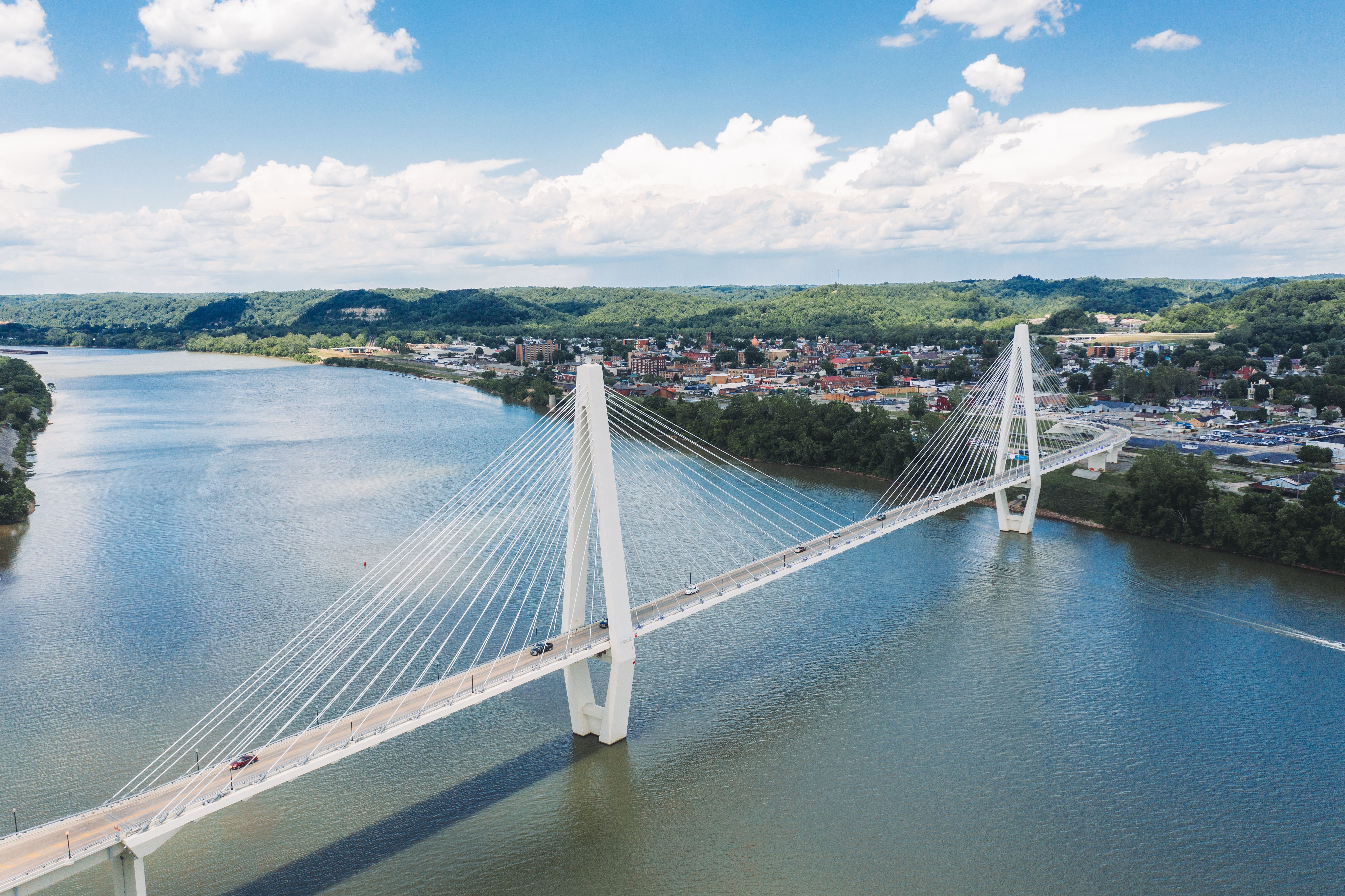
Inland barge transportation provides the lowest cost-per-ton-mile of any surface transportation mode for shipping raw materials and bulk goods. A barge can carry one ton of cargo over 600 miles on just one gallon of fuel. In comparison, freight trains average 477 ton-miles per gallon, while semi-trucks deliver only a fraction of that efficiency.
The cost-effectiveness of river transportation significantly lowers other costs across the board for manufacturers in the Southern Ohio region, helping many of their exports to compete well on the global market. Moving heavy loads by water also helps divert thousands of trucks away from highways, reducing traffic congestion and infrastructure wear. This allows local shipping and intermodal shipping to happen more efficiently.
Supply Chains Impacted by the Ohio River
The Ohio River is the backbone for supply chains in numerous industries. It specifically serves manufacturing, energy, agriculture, construction, and chemical supply chains that span across the Midwest and down into the Gulf Coast regions.
Regional farmers can cost-effectively export grain and import fertilizer on the river. Steel, scrap metal, and industrial chemicals travel up and down the Ohio River, landing in major manufacturing and automotive hubs. Moving heavy aggregates like cement and road salt by river significantly reduces costs for infrastructure projects. The power of the river keeps these vital industries thriving and competitive.
With its unmatched fuel efficiency and robust connections to secondary transportation methods, the Ohio River keeps the Buckeye State at the center of American commerce. For supply chain leaders looking to build systems that stand the test of unpredictable markets and rising fuel costs, shipping on the Ohio River provides a much-needed advantage.
The New Ohio River Commission: Support for Industry
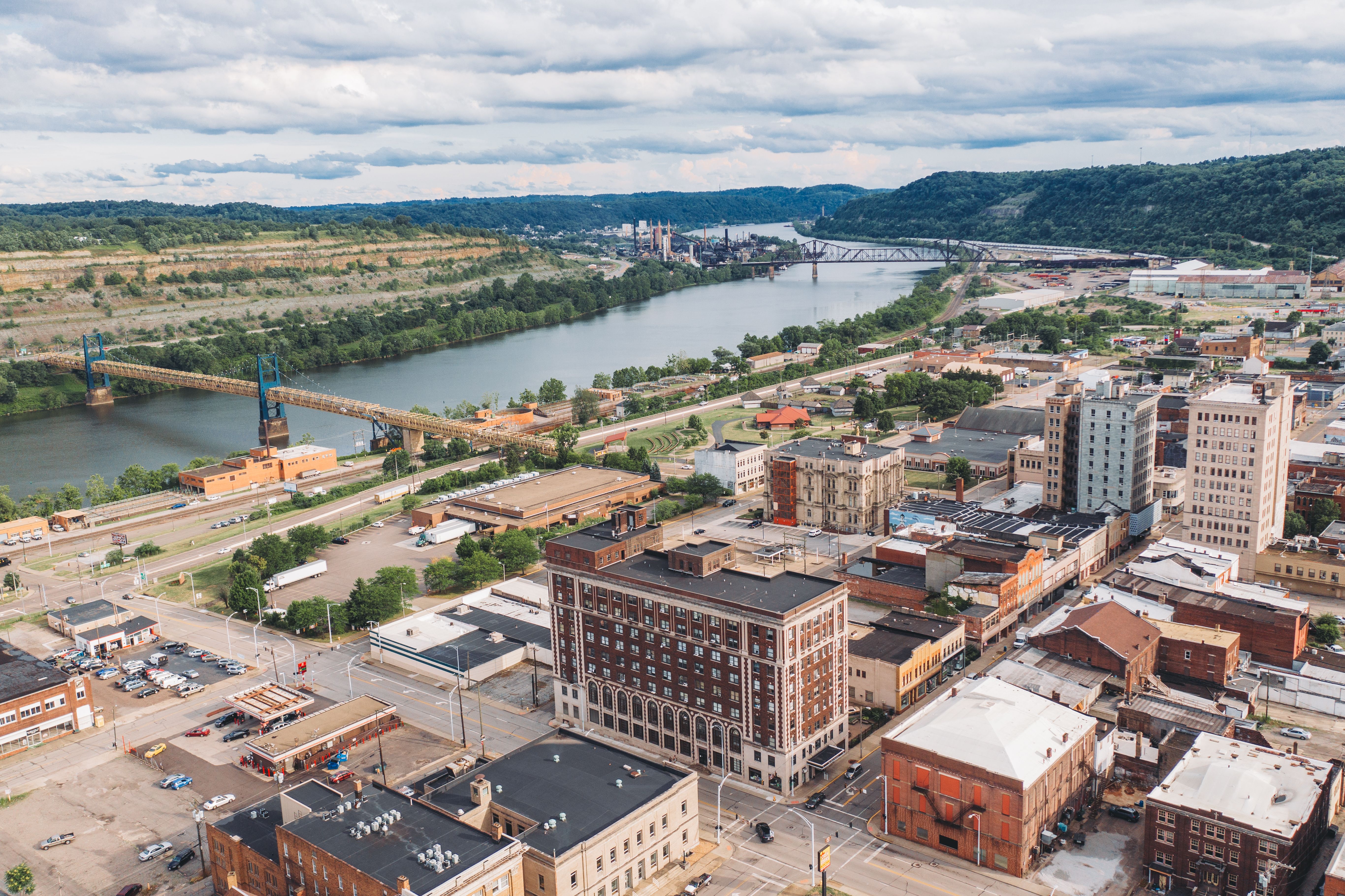
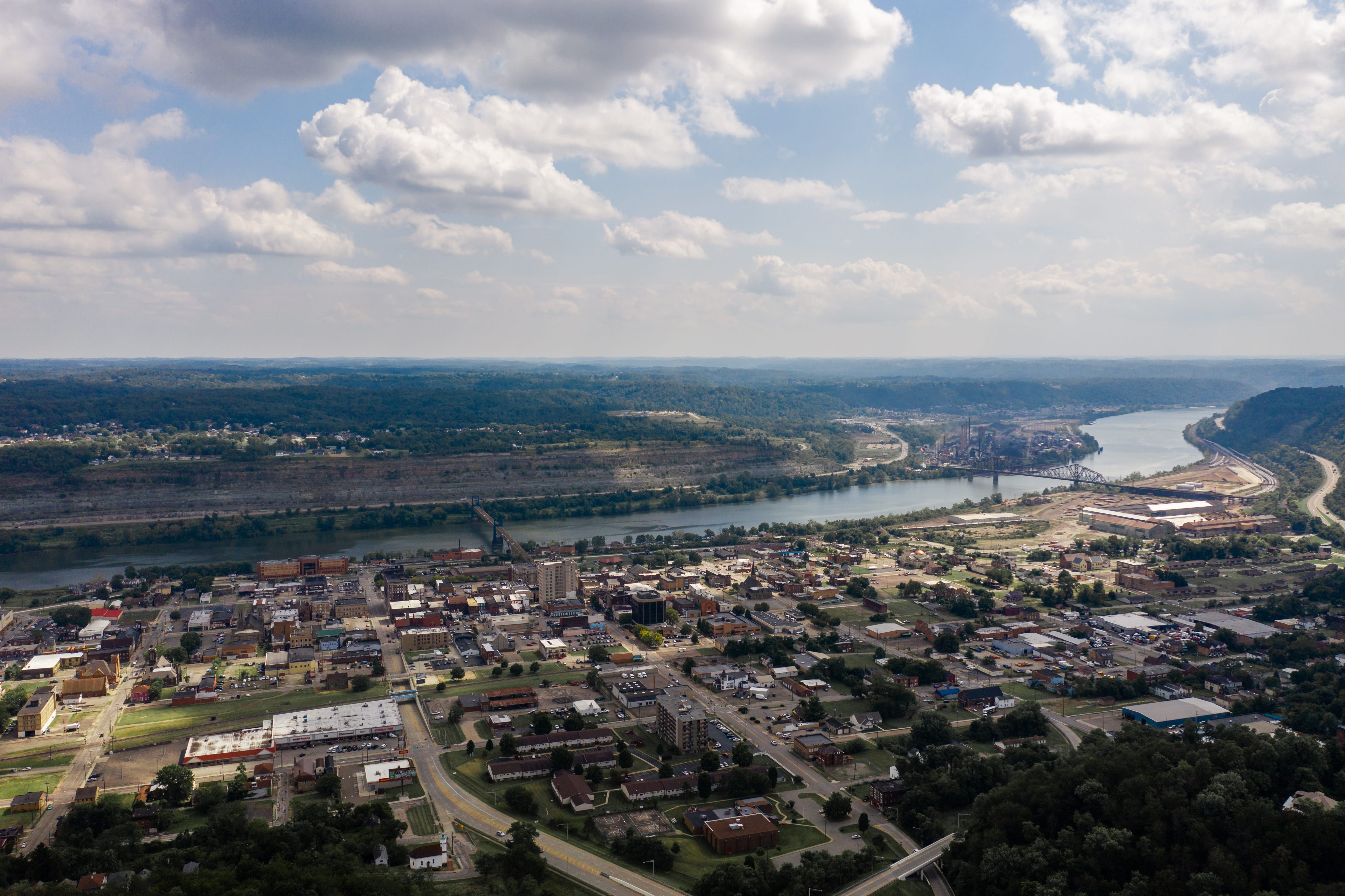
The Ohio River Commission (ORC), formally established in 2025, focuses on advancing economic and workforce development across the state of Ohio, as well as promoting tourism and recreation on the Ohio River. ORC works with ports, terminals, commercial sites, and recreation locations across Ohio’s 14 Ohio River counties to build a connected, competitive, and welcoming river system for all.
Companies and site selectors considering the Ohio River region should explore the ORC’s grant program.
The ORC supports initiatives that strengthen economic resilience, advance maritime and river‑based workforce readiness, and enhance tourism and recreation across the 14 Ohio River counties.
>>Explore Funding Opportunities
SHARE


Other stories you may be interested in...
Craft Beer, Local Eats, and Live Music: Southeast Ohio’s Most Vibrant Downtowns

Southeast Ohio doesn’t just invite you to visit—it pulls you in with open arms and says, “Stay a while, why don’t you?” Whether you’re a weekend wanderer or a business...
Read More
How Food Manufacturing Companies in Ohio Are Meeting Consumer Demands

While a drive through Ohio easily reveals its farmland, its food manufacturing and innovation systems may seem more like a well-kept secret to those outside the industry.
Read More
Top Coworking Spaces in Southeast Ohio for Remote Workers

The popularity of remote work has skyrocketed over the past 6 years. Attending meetings from the kitchen table can get old though, and oftentimes remote professionals simply wish to get...
Read More